
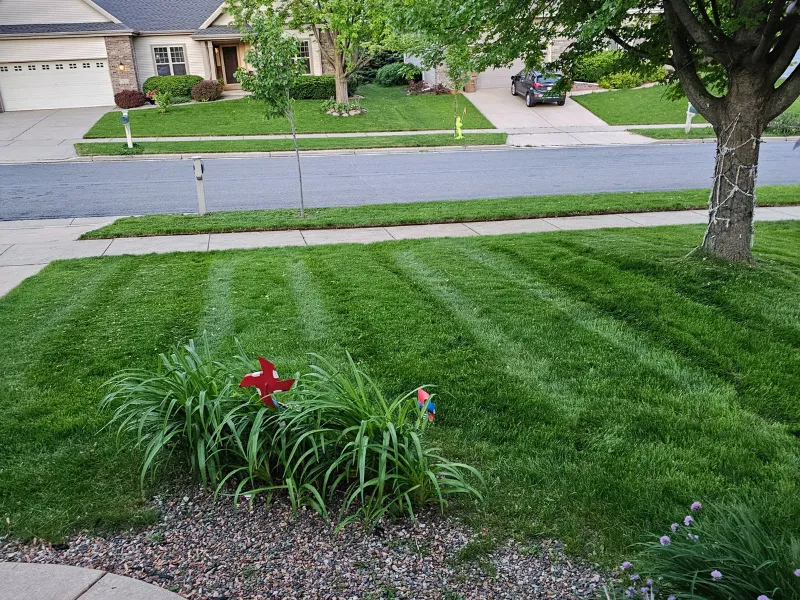
A beautiful, healthy lawn isn’t just about aesthetics; it’s a vital part of a home’s ecosystem. For homeowners in Madison, Wisconsin, maintaining a lush, green yard comes with unique challenges like cold winters, hot summers, and soil conditions that require careful attention.
In this lawn care guide for homeowners, we will cover all aspects of Madison lawn maintenance and provide essential techniques for yard care, including mowing, watering, fertilizing, and seasonal upkeep. By following these expert practices, homeowners can achieve a vibrant, resilient lawn year-round.
Complete Lawn Care Guide for Homeowners: 6 Key Practices
Beautiful and healthy lawns require more than watering and sunlight. Find out key practices for lush, healthy lawns in Madison, Wisconsin. From soil care to mowing, fertilizing, and seasonal maintenance, keep your yard thriving.
1. Understand Your Soil and Grass Type
A great lawn starts with understanding your soil and picking the right cool-season grass for Madison. Test your soil’s pH and nutrients before planting or fertilizing. Many yards need lime or compost. Simple soil improvements strengthen roots, boost growth, and make it easier for your lawn to stay healthy.
Grass Selection:
Cool-season grasses are ideal for Madison lawns. Popular drought-resistant grass varieties and resilient options include:
- Kentucky Bluegrass: Dense, rich green, and ideal for high-traffic areas.
- Fescue: Tolerates shade and drought, making it versatile for many yards.
- Ryegrass: Quick germination for overseeding or patch repair.
2. Mowing Best Practices
Proper mowing is not just about keeping grass short; it’s an important factor in lawn health. The right mowing technique promotes strong roots, prevents disease, and encourages thick, lush growth.
Optimal Height:
Try to keep most cool-season grasses at 3–3.5 inches, maintaining the proper mowing height to protect the turf and reduce stress. Taller grass shades the soil, retains moisture during hot summer months, and limits weed growth.
Mowing Tips:
- Never cut more than one-third of the grass blade at a time to avoid stressing the lawn.
- Keep mower blades sharp to ensure clean cuts and reduce the risk of disease.
- Follow edging and trimming tips to give your lawn a polished, professional appearance.
- Change mowing patterns weekly to prevent soil compaction and encourage upright growth.
Professional Services:
For busy homeowners, you can consider professional lawn care, lawn mowing services in Madison, WI, to ensure consistent care and proper techniques without the hassle.
Seasonal Adjustments:
- In summer, raise the mower slightly to protect the grass from heat stress.
- In the fall, slightly lower the mower for a tidy look and to prepare the lawn for winter.
3. Watering Wisely
Watering is one of the most critical aspects of lawn care. In Madison, Wisconsin, proper watering helps lawns survive hot summers, reduce stress, and support lawn disease prevention.
Key Guidelines:
Use lawn watering best practices: deep, infrequent watering is better than frequent shallow watering. Aim for 1–1.5 inches per week, including rainfall.
Water early in the morning to reduce evaporation and minimize fungal diseases.
Avoid watering in the evening, which can leave grass damp overnight and encourage mold.
Techniques for Efficiency:
- Use a rain gauge or soil moisture sensor to avoid overwatering.
- Direct sprinklers to cover all lawn areas evenly.
- Consider drip irrigation or soaker hoses for garden edges and slopes.
4. Fertilizing for Healthy Growth
Fertilizing provides essential nutrients that grass needs to grow thick, green, and resilient. Seasonal timing and the type of fertilizer used can make a big difference in lawn health. Following a proper lawn fertilization schedule ensures your lawn receives the right nutrients at the right time.
When to Fertilize:
Spring: Apply a slow-release fertilizer to kickstart growth after winter dormancy.
Fertilize to strengthen roots and prepare the lawn for winter.
Choosing the Right Fertilizer:
- Look for slow-release nitrogen fertilizers for steady, long-lasting growth.
- Consider phosphorus and potassium based on your soil test results to correct nutrient deficiencies.
- Avoid over-fertilizing, which can damage grass and pollute local waterways.
5. Weed Control and Pest Management
A vibrant lawn is not just about healthy grass; it’s also about keeping weeds and pests in check. Homeowners face common challenges like crabgrass, dandelions, grubs, and occasional lawn pests. Using effective weed prevention strategies helps maintain a lush, healthy lawn year-round.
Weed Control:
- Apply pre-emergent herbicides in early spring to prevent crabgrass before it sprouts.
- Hand-pull or spot-treat persistent weeds during the growing season to avoid harming the surrounding grass.
- Maintain a thick, healthy lawn through proper mowing, watering, and fertilizing, which naturally reduces weed invasion.
Pest Management:
- Monitor for insects such as grubs that can damage roots.
- Treat infestations only if necessary to protect beneficial insects and pollinators.
- Encourage natural predators like birds and beneficial nematodes for eco-friendly pest control.
6. Aeration and Overseeding
Aeration and overseeding are key practices for maintaining a thick, healthy lawn, especially in Madison, where soil can become compacted, and grass may thin over time. Understanding the lawn aeration benefits ensures deeper roots, better water absorption, and improved nutrient uptake.
Lawn Aeration:
Aeration involves removing small plugs of soil to relieve compaction, improve water and nutrient absorption, and encourage deep root growth.
Soil improvement techniques during aeration strengthen your lawn’s resilience, so including them can be helpful. The best time for aeration in Madison is fall, when cool-season grasses are actively growing.
Overseeding:
Spread grass seed over thin or bare spots to thicken your lawn and reduce weed invasion. Overseeding is most effective after aeration, as seeds make better contact with the soil. Choose grass varieties that match your existing lawn for uniform color and texture.
Incorporating drought-resistant grass varieties during overseeding can help your lawn thrive during the summer months.
Seasonal Lawn Care Calendar for Healthy Lawns
Seasonal routine helps homeowners keep their lawns healthy and resilient throughout the year. Understanding seasonal lawn care in Wisconsin and lawn growth cycles in Wisconsin ensures your yard thrives in every season.
During Spring:
- Rake debris and remove dead leaves for effective yard cleanup and debris removal.
- Aerate compacted soil if needed.
- Apply a slow-release fertilizer to kickstart growth, following a proper lawn fertilization schedule.
During Summer:
- Water deeply and infrequently (1–1.5 inches per week) using lawn watering best practices.
- Mow at the recommended height (3–3.5 inches).
- Monitor for pests and treat only if necessary to support lawn disease prevention.
During Fall:
- Fertilize to strengthen roots for winter.
- Overseed thin or bare areas with drought-resistant grass varieties.
- Aerate to improve soil health and implement soil improvement techniques.
During Winter:
- Avoid walking on frozen grass to prevent damage.
- Plan lawn care strategies and order seeds or fertilizers for spring.
Get a Lush, Healthy Lawn That Thrives Year-Round
As covered in this lawn care guide for homeowners, the right approach to soil health, mowing, watering, and seasonal care makes it completely possible to maintain a beautiful, resilient lawn. Consistency is all you need to keep your yard thriving.
At Ruben’s Lawn Care Services & Dumpster Rentals L.L.C., we are committed to helping homeowners achieve professional-quality results using techniques and products tailored for Madison’s unique climate and soil conditions. Our services and guidance ensure your lawn looks its best while staying environmentally friendly and low-maintenance.
Call now to schedule your lawn care consultation today with our team of certified lawn care professionals.
FAQ
1. Can I mix different grass types in my Madison lawn?
Yes, combining compatible cool-season grass varieties can create a more resilient lawn that handles shade, drought, and heavy foot traffic better. Using drought-resistant grass varieties alongside traditional grasses helps maintain color and density year-round.
2. How does seasonal weather in Wisconsin affect lawn growth cycles?
Local climate impacts lawn growth cycles in Wisconsin, including periods of dormancy in winter and rapid growth in spring. Understanding these cycles helps homeowners plan fertilization, aeration, and watering for optimal results.
3. Are eco-friendly lawn care practices effective in Madison?
Absolutely! Organic fertilization, targeted weed prevention strategies, and proper watering reduce chemical use while maintaining a healthy lawn. It also supports long-term soil improvement techniques and promotes lawn disease prevention.
