
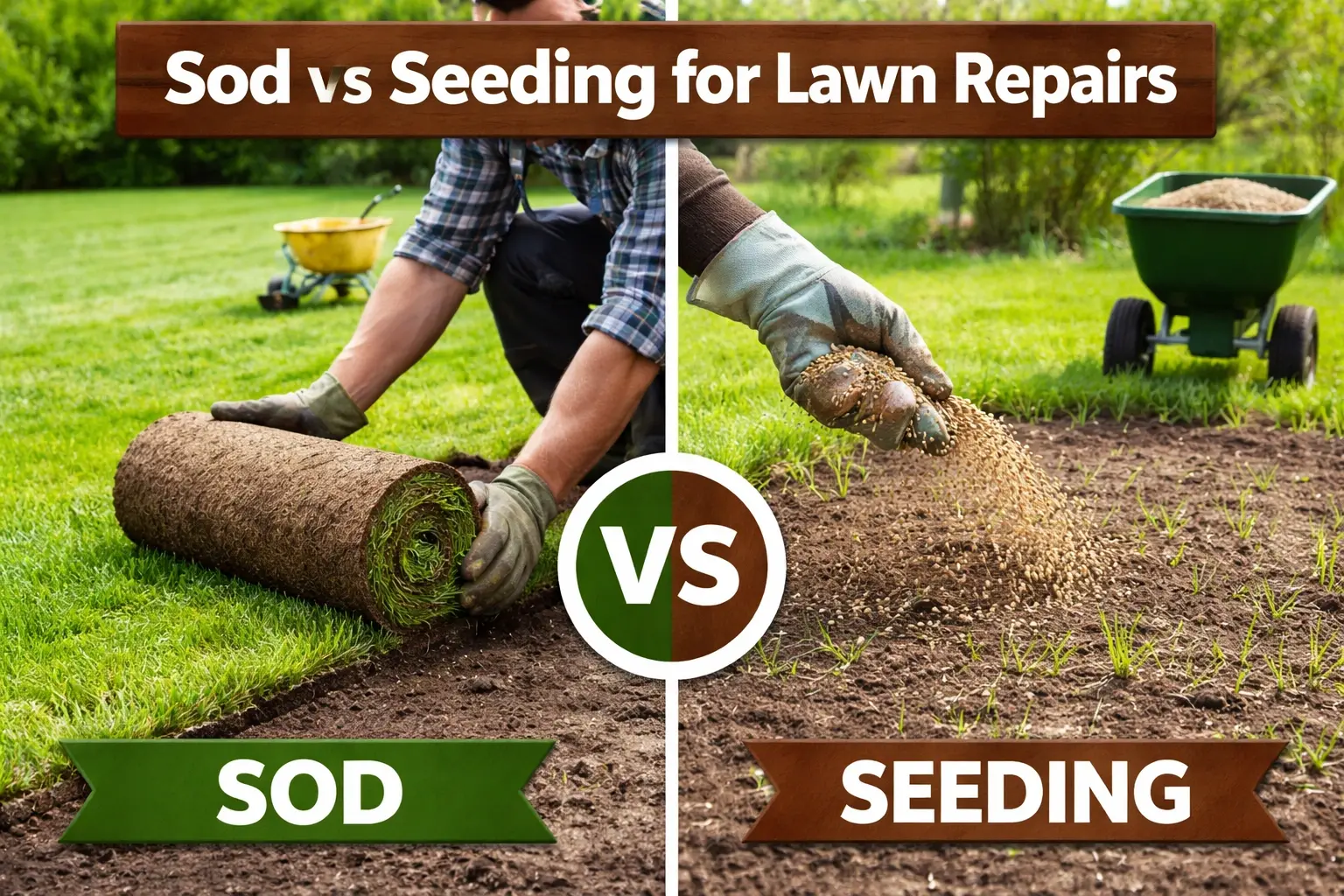
Bare patches, thin grass, heavy foot traffic, pest infestation, and brown spots suggest a damaged lawn. Waiting for the lawn to improve itself will be a mistake, so considering sodding or seeding is a wise option. These two methods are used to fix the damage, but it’s tricky to decide whether to use sod or the seeding installation method.
Both methods have their benefits and drawbacks, so choosing one depends on your requirements or purpose. Some house owners need a quick fix, while others seek long-term benefits. Not to mention erosion, weeds, and weather shifts, which further add to the challenges of repairing & maintaining the lawn, making selection tougher.
In this blog, you’ll find out about the key factors to consider when deciding between sod vs seeding for lawn repairs, their benefits, and their respective disadvantages.
Understanding Sod and Seed Installation
When you observe damage to the lawn, the first instinct is to recognize the issue and fix it. Sod and seed installation are two primary methods that help with lawn repairs. Let’s understand them briefly:
- Sod installation is a process of transplantation of pre-grown grass onto prepared soil. It helps with the quick restoration of lawn cover, reducing erosion, and uplifting aesthetics.
- Seed installation is a process of sowing grass seed into a well-prepared soil to form a grass covering. Seeding helps grow new grass to nullify the damage, improve soil structure, and provide long-term stability.
Sod vs Seeding for Lawn Repairs: Key Factors to Consider
You know the basics of sod and seed installation, but pinpointing the best method for lawn repairs depends on various key factors, such as installation speed and budget constraints.
Below are the key factors to consider when choosing between sod and seed:
#1. Installation Speed
The installation speed is correlated with the soil stability, aesthetics, and usability. A lawn is not just a decoration; it helps control soil erosion, suppresses weeds, and adds functional value to the housing property.
- Sodding: Facilitates quick installation and is suitable if you’re seeking instant fixing. The sod installation helps control soil erosion, suppress weeds, and elevate property value.
- Seeding: Allows you to use the preferred seeds that suit your soil and environment. However, compared to sod, establishing seeds requires patience and takes longer to become usable.
#2. Budget
Cost is a decisive factor when deciding between sod vs seeding for lawn repairs. Expenses vary based on square feet. You need to balance your requirement for quick results and budget constraints. Selecting the wrong method might lead to overspending.
- Sodding: Sod rolls are costly, and it also requires paying for the delivery and specialized tools. They suppress weed growth or soil erosion, providing instant results, which is why they cost more.
- Seeding: They are cheaper, but take a longer time to stabilize the lawn condition, making them an economic option for larger areas and budget-sensitive repair projects.
#3. Species Variety
Determining the grass species that you plan to grow in your lawn is crucial. It should complement the soil structure, type, and climate conditions. Using random species or a mixture may compromise the lawn, worsening the existing damage.
- Sodding: There is a limited range of sod species. You get the grass that the local farm grows, and there is no scope for other types.
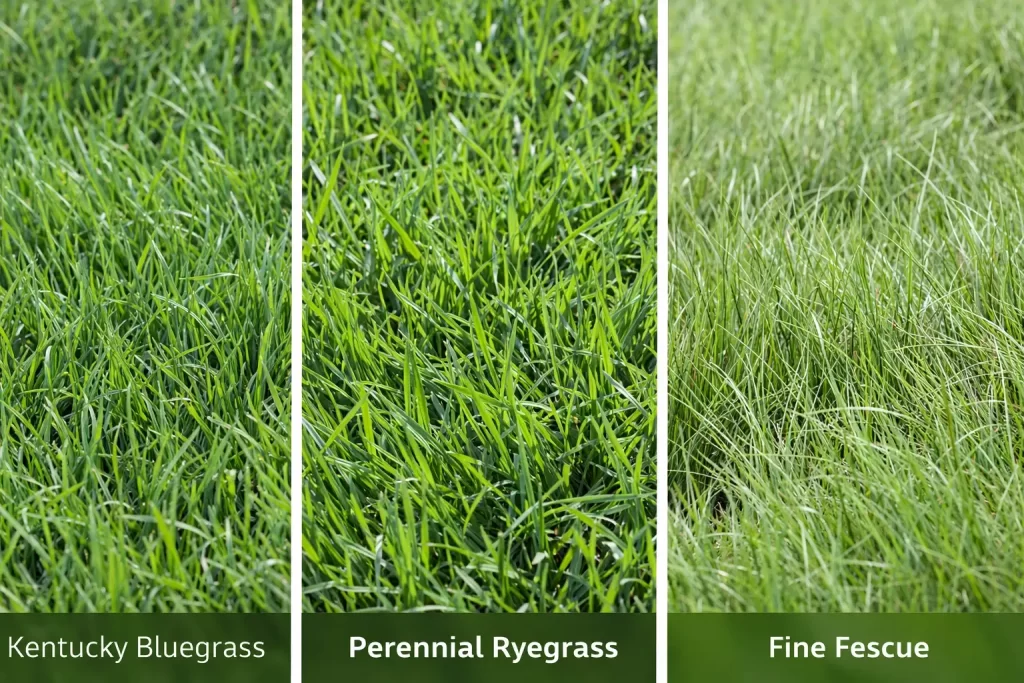
- Seeding: You get plenty of options when opting for seeding, such as Kentucky bluegrass, perennial ryegrass, and fine fescues.
#4. Weather Conditions
Assessing the weather conditions to decide on the approach is crucial. The surrounding temperature, moisture, and growth conditions affect the turf installation. Ignoring the season criteria can lead to poor germination, a weak root system, or complete lawn loss.
- Sodding: Sods can be installed at any time of the year except for the frozen winter season. They are a great option if you have poor seeding conditions and missed the seeding season, and are looking to repair your lawn.
- Seeding: Grass seed germinates best during early fall or late summer, suggesting the importance of timing. Seeding based on seasonal conditions ensures strong root growth and less weed competition.
#5. Soil Compatibility
The turfgrass used should correspond to the soil type and drainage around. Lack of compatibility can weaken growth and disrupt the habitat. Prioritizing soil adaptability prevents expenditure on grass varieties that may not flourish in your lawn.
- Sodding: Sod farms have limited species, so the sod available may not be compatible with your soil. Less compatible sod rolls may need excessive watering, fertilization, or complete replacement.
- Seeding: The variety of species or grass combinations in seeding are more, allowing you to pick the one that matches your soil and local conditions.
#6. Maintenance Requirements
For your lawn to sustain longer and thrive, post-installation maintenance is essential. How well you water, control weeds, and manage early growth decides how long the lawn remains in top-notch condition. Lack of maintenance can lead to a patchy turf or totally nullify the effect of the repairing method used.
- Sodding: Offers instant protection, but continuous watering is needed for deep rooting, before using the lawn surface. Lack of irrigation dries out the surface, making it less effective, something you must avoid doing.
- Seeding: Frequent light watering, weed suppression, and erosion control are required. You need to be patient during the early stages of germination, as there’s a possibility of uneven growth in the lawn, which then requires reseeding.
Sod vs Seed Pros and Cons
You got a glimpse at the deciding factors in sod vs seed, now let’s have a peek at the benefits and disadvantages for better judgment on whether to use the sod or the seeding installation method:
Final Take on Sod vs Seeding for Lawn Repairs
Deciding between sod vs seeding for lawn repairs is not simple. There are distinctive benefits of both methods, and unless you assess your requirements with respect to the key factors, the confusion persists. It’s best to leave this decision to professionals like us to ensure proper lawn care.
At Ruben Lawn Care Services & Dumpster Rentals, we strive to deliver simple, safe, and stress-free lawn care services. Our trained professionals use modern equipment and safe cleaning practices to provide a green, healthy, and well-maintained lawn that lasts season-long.
Call us today to transform your lawn into a flourishing landscape.
FAQs
What’s the best time to sod or seed a lawn?
Late summer to early fall is considered the best time to sod or seed. However, the ideal time to seed or sod may differ based on the grass species or blends you use.
Is it cheaper to reseed or sod?
Reseeding is cheap, especially for larger area, sod has a high up-front cost but offers instant protection.
Can I just lay sod over dirt?
You can, but the sod won’t root properly and will dry out. Preparing the soil before laying sod is essential.
What’s the best month to lay sod?
Late Summer to early fall (August to October) is considered an ideal period for laying sod.
